Are pests “testing” your farm? Meet abamectin for thrips, mites and leaf miners

If you have been on Thai social media lately, you have probably seen the slang “chek kliao” (เช็กเกลียว). It means sizing someone up to see whether they are really as tough as they claim. Out in the orchard, pests do the same thing every season. In the dry season, and whenever crops push new leaves, flower or set fruit, thrips, mites and leaf miners come to test your defences. If you are slow to respond, you can lose a whole crop cycle.
This article introduces abamectin, one of the most widely used insecticides and miticides in Thailand: how it works, which pests it controls, and how to use it well without letting pests build resistance.
What is abamectin?
Abamectin comes from the fermentation of a soil microorganism, Streptomyces avermitilis. It belongs to IRAC mode-of-action Group 6. It acts on the nervous system of insects and mites, paralysing their muscles so they stop feeding and eventually die.
- Contact and stomach action, strongest when ingested
- Translaminar (semi-systemic): it moves from the upper leaf surface into the leaf tissue, so it reaches mites and thrips hiding under leaves, and leaf miners feeding inside the leaf, which ordinary contact sprays miss
- Effective at low doses, because the active ingredient is potent at low concentrations
Pests that come “testing” and abamectin can handle
- Thrips: curled shoots, scorched leaves, flower drop, scarred fruit
- Broad mites (chilli white mites): crinkled leaves, downward-curling edges, stunted tips
- Leaf miners: winding tunnels inside the leaf, drying leaves
- Rice leaf folders: rolled rice leaves with white streaks
- Diamondback moth: caterpillars that riddle brassica leaves with holes
- Whiteflies: sap feeders that also spread plant viruses
Suitable for many crops, including chilli, tomato, cucumber, cabbage, rice, mango, durian, longan and mangosteen. Always check the crops and pests listed on the label.
How to get the best results
- Use 20–30 ml per 20 litres of water, as directed on the label. Do not raise the rate yourself: it adds cost and risk without improving control.
- Spray as soon as you see the first outbreak. Do not wait for heavy infestation; pest numbers climb fast in the dry season.
- Cover thoroughly, especially leaf undersides and young shoots, where thrips and mites hide.
- Spray in the early morning or late afternoon. Abamectin breaks down quickly in strong sunlight; spraying in softer light helps it penetrate the leaf.
- Condition your water and add a spreader-sticker. Hard or alkaline water reduces performance; a water conditioner with a sticker helps the spray stick and spread across the leaf.
Don’t let pests test you back: preventing resistance
Pests exposed to the same product again and again slowly become resistant, until one day the spray stops working. The simple rule is to rotate mode-of-action groups (IRAC groups).
- Use abamectin no more than 2 times in a row within one outbreak, then switch to a different group.
- Watch out: emamectin benzoate is in the same Group 6 as abamectin. Switching between the two does not count as rotation.
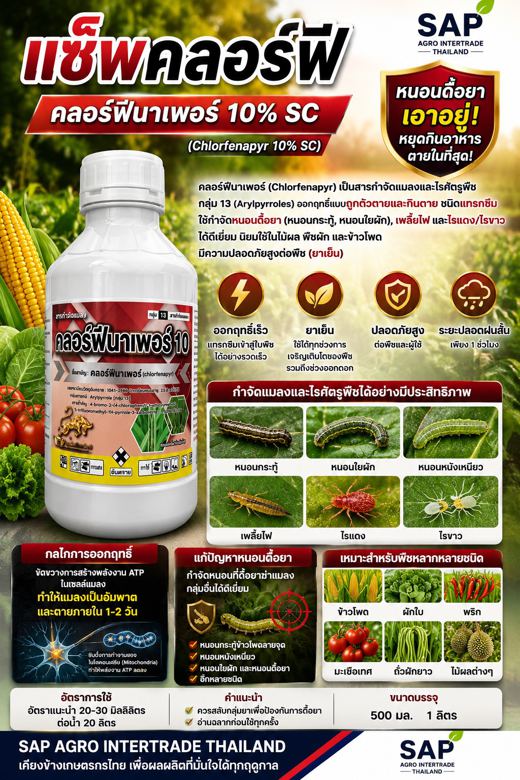
- For resistant caterpillars, rotate to a Group 13 product such as chlorfenapyr.
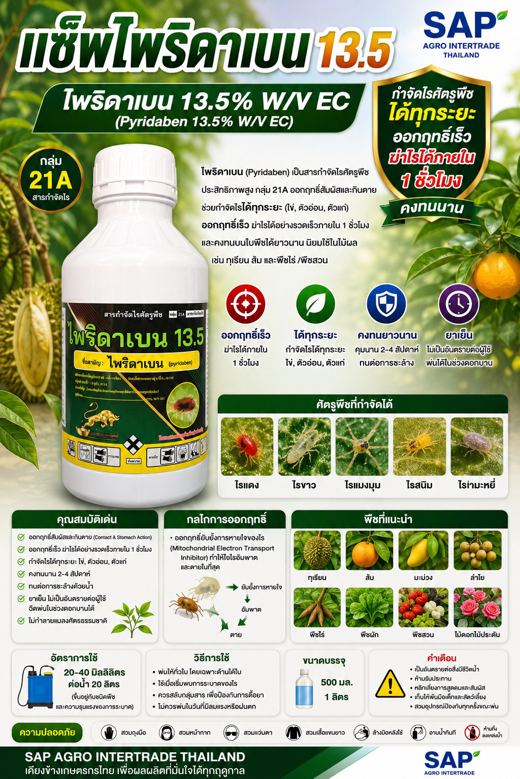
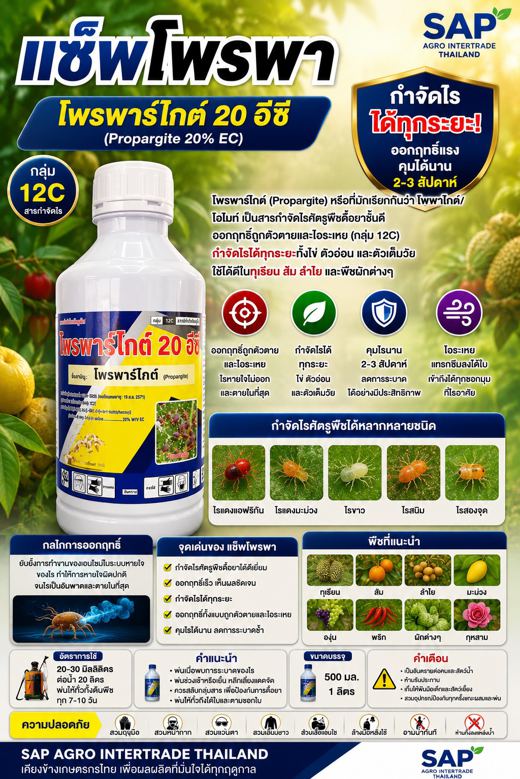
- For mites, rotate to another miticide group, such as pyridaben (Group 21A) or propargite (Group 12C).
Safety precautions
- Read the label carefully before every use and follow the rates, directions and pre-harvest interval it gives.
- Wear gloves, a mask, goggles, long sleeves and long trousers when mixing and spraying. Do not spray into the wind.
- Abamectin is highly toxic to bees and aquatic life. Avoid spraying while bees are foraging, and never rinse equipment or dispose of containers in waterways.
- Keep out of reach of children and away from food and animal feed.
Summary
When thrips, mites and leaf miners come to “test” your farm, abamectin is a strong option: it moves through the leaf to reach hidden pests and stops feeding quickly. For lasting results, follow the label, spray at the right time, and rotate product groups correctly.
Always read the label carefully before use. Follow the label rates and directions, and wear protective equipment when spraying.